

ENGLISH VERSION BELOW
U godini kada je podignuta optužnica protiv Ratka Romića, Milana Radonjića, Miroslava Kuraka i Radomira Markovića, Srbija je bila na rekordno visokoj poziciji na listi medijskih sloboda Reportera bez granica. I pored konstantnih opstrukcija, optuženi su dva puta prvostepeno osuđivani na ukupno 100 godina zatvora. Apelaciono veće je oslobodilo optužene, iako je Vrhovni sud Srbije utvrdio da je presuda doneta uz bitne povrede zakona.
Ova oslobađajuća presuda više liči na amnestiju ili aboliciju.
Nakon nje usledile su i tužbe Radonjića, Romića i Kuraka protiv Fondacije Slavko Ćuruvija, kao i novi talas nekažnjenog nasilja prema novinarkama i novinarima. Policija danas ne samo da ne štiti novinare kao žrtve, već ih i sama napada. Neki od tih napada okarakterisani su i kao pokušaji ubistva novinara.
Umesto pravde i kazne za ubistvo Slavka Ćuruvije, ponovo živimo vreme najvećeg nasilja prema medijima i novinarima. Sve nalikuje periodu od 1998. do 2000. godine, kada je Ćuruvija ubijen, brojni mediji uništeni, a novinari zatvarani – vreme u kojem je medijskom sferom vladao tadašnji ministar informisanja Aleksandar Vučić, koji danas, sa mnogo više moći, gotovo apsolutne, nastoji da u potpunosti uguši slobodne glasove – uz još više nasilja i pogubnijih rezultata.
I ponovo su žrtve članovi porodice ubijenog Slavka Ćuruvije i fondacije koja je očuvala ne samo sećanje na delo ovog novinara i njegovo ubistvo, već i samu istragu, kroz istraživačko novinarstvo i podršku radu Komisije za istraživanje ubistava novinara. Porodica Slavka Ćuruvije od dana ubistva trpi permanentnu viktimizaciju i uvrede, posebno otkako su ćerka i sin osnovali fondaciju, pomažući razvoj profesionalnog novinarstva i boreći se za slobodu novinara i medija.
Bizarno je da 27 godina posle ubistva, porodica Ćuruvija, kroz fondaciju koja nosi njegovo ime, treba da plati više od milion dinara onima koji su bili optuženi, prvostepeno osuđivani, a potom oslobođeni uz bitne povrede odredaba krivičnog postupka u korist okrivljenih, kako je naveo Vrhovni sud Srbije – i to na ime naknade nematerijalne štete zbog navodne povrede časti i ugleda.
Sudija Ljiljana Ilić nije uvažila dokaze i argumente koje je predočila Fondacija. Vodila je postupak uz vidno nepoznavanje okolnosti i bez želje da se sa njima upozna. Umesto pokušaja da razume argumente predstavnika Fondacije Slavko Ćuruvija, koju su osnovala deca žrtve, sud je nepodeljenu pažnju posvetio tužiocima. To se jasno uočava i iz same presude. Sudija je vodila postupak i donela odluku oslanjajući se na presudu Apelacionog suda za koju je Vrhovni sud utvrdio da je doneta uz brojne povrede zakona u korist optuženih i prvostepeno osuđenih, umesto da se osloni na stavove Vrhovnog suda.
Presuda upotpunjuje utisak star 27 godina da je pitanje ubistva Slavka Ćuruvije, koje je postalo simbol nekažnjivosti ubistava novinara u međunarodnim okvirima, opasno otvarati.
Osuda Slavko Ćuruvija fondacije za posledicu ima ozbiljan udarac na nasleđe Slavka Ćuruvije, oličeno u aktivnostima fondacije koju su osnovala njegova deca.
Gušenje slobode izražavanja stava o oslobađajućoj presudi za koju je Vrhovni sud ocenio da je doneta uz bitne povrede krivičnog postupka, nastavlja se kroz više od 20 tužbi protiv advokata, javnih ličnosti i univerzitetskih profesora koji su se javno oglašavali tokom i nakon desetogodišnjeg suđenja.
Kroz ovaj slučaj jasno se vide razlozi sunovrata Srbije u domenu ljudskih sloboda koje registruju Evropska komisija, Ujedinjene nacije, Savet Evrope i brojne ugledne međunarodne organizacije. Slučaj „Ćuruvija” primer je drastične nekažnjivosti ubistava novinara, katastrofalnog rada institucija (posebno Apelacionog suda) čemu treba dodati SLAPP tužbe čiji je cilj zastrašivanje, finansijsko iscrpljivanje i odvraćanje novinara od bavljenja temama od javnog značaja. Ovome treba dodati da su neki od učesnika koji su radili na istrazi ubistva Slavka Ćuruvije bili izloženi pretnjama po bezbednost i život, koje nikada nisu istražene.
Reporteri bez granica, koji su Srbiju 2014. godine, kada je počelo suđenje optuženima za ubistvo Ćuruvije, rangirali na 54. mesto, tokom godina Vučićeve vladavine beleže konstantan pad slobode medija i novinarstva, tako da se Srbija ove godine nalazi na rekordno niskom 104. mestu.
Evropska komisija je, kroz praćenje ispunjavanja obaveza Srbije u okviru Poglavlja 23, sa velikom pažnjom pratila sve pojedinosti u vezi sa rešavanjem slučajeva ubistava novinara. Putem Komisije za istraživanje ubistava novinara dobijala je redovne i detaljne izveštaje koji su svedočili o konstantnoj i sistematskoj opstrukciji državnog aparata na ovom polju.
Despotija u kojoj predsednik amnestira nasilnike koji surovo prebijaju i gaze ljude, unapred abolira ministre optužene za krivična dela i štiti nosioce moći, očito je spremna da kažnjava sopstveni narod zarad opstanka na vlasti i očuvanja enormnog bogatstva stečenog sistemskom pljačkom.
Slobodno i profesionalno novinarstvo i danas je, kao i devedesetih godina, od presudnog značaja kako bi javnost mogla da čuje i vidi činjenice o zlodelima sa kojima se svakodnevno suočavamo. Zato je važno da učinimo sve kako bismo sprečili nove žrtve i aktivno se suprotstavili ratu koji vlast vodi protiv nezavisnog i profesionalnog novinarstva.
Vreme je da presuda protiv Fondacije Slavko Ćuruvije upali brojne alarme.
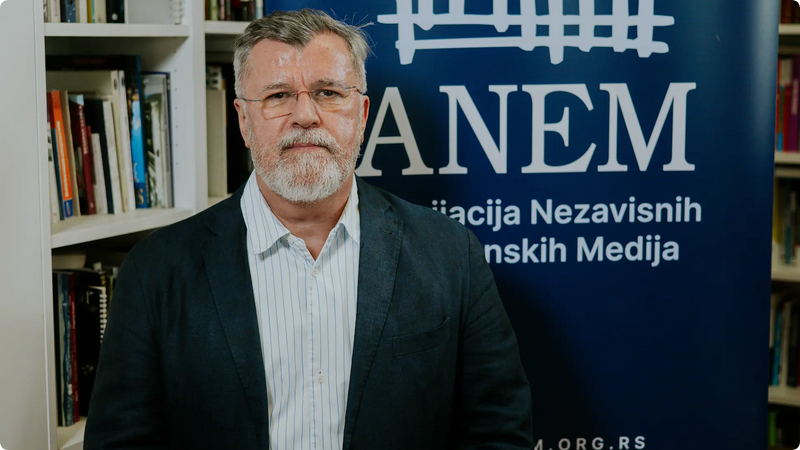
Veran Matić,
predsednik Upravnog odbora Asocijacije nezavisnih elektronskih medija (ANEM) i predsednik Komisije za istraživanje ubistava novinara
Projekat „Unapređenje sistema mehanizma prevencije i reagovanja u slučajevima pretnji po bezbednost i život novinarki i novinara u Srbiji“ sprovodi ANEM sa partnerima Insajder TV i Centar za razvoj lokalnih medija, uz podršku Evropske unije.
_____________________________________________________________________________________________
New Shots Fired at Slavko Ćuruvija
Although he was executed on Easter Sunday in 1999, during the NATO bombing campaign, by members of the very service tasked with protecting state security, the still-unsolved murder of Slavko Ćuruvija continues to painfully demand answers to numerous questions. Until 2014, the investigation itself was obstructed precisely by members of that service, which, in addition to murdering journalists, also killed former Serbian President Ivan Stambolić, Prime Minister Zoran Djindjić, and many others.
In the year when indictments were brought against Ratko Romić, Milan Radonjić, Miroslav Kurak, and Radomir Marković, Serbia ranked at a record-high position on the Reporters Without Borders press freedom index. Despite constant obstruction, the accused were twice convicted in first-instance proceedings and sentenced to a total of 100 years in prison. However, the Appeals Chamber acquitted them, even though the Supreme Court of Serbia found that the ruling had been rendered with serious violations of the law.
This acquittal resembles an amnesty or pardon more than a judicial verdict.
It was followed by lawsuits filed by Radonjić, Romić, and Kurak against the Slavko Ćuruvija Foundation, as well as by a new wave of unpunished violence against women and men journalists. Today, the police not only fail to protect journalists as victims, but in some cases attack them themselves. Some of these assaults have even been characterized as attempted murders of journalists.
Instead of justice and punishment for the murder of Slavko Ćuruvija, we are once again living in a time of extreme violence against the media and journalists. Everything resembles the period from 1998 to 2000, when Ćuruvija was murdered, numerous media outlets destroyed, and journalists imprisoned — a time when the media sphere was dominated by then-Minister of Information Aleksandar Vučić, who today, wielding far greater and almost absolute power, seeks to completely silence free voices, with even greater violence and more devastating consequences.
Once again, the victims are the family members of the murdered Slavko Ćuruvija and the foundation that preserved not only the memory of his work and murder, but also the investigation itself through investigative journalism and support for the Commission for the Investigation of Murders of Journalists. Since the day of the murder, the Ćuruvija family has endured constant victimization and abuse, especially after his daughter and son established the foundation, supporting the development of professional journalism and fighting for media freedom and journalists’ rights.
It is absurd that 27 years after the murder, the Ćuruvija family, through the foundation bearing his name, is expected to pay more than one million dinars to individuals who were indicted, convicted in first-instance proceedings, and later acquitted despite serious violations of criminal procedure provisions in favor of the defendants, as stated by the Supreme Court of Serbia — allegedly for non-material damages due to “harm to honor and reputation.”
Judge Ljiljana Ilić disregarded the evidence and arguments presented by the Foundation. She conducted the proceedings while displaying an obvious lack of understanding of the circumstances and no willingness to familiarize herself with them. Instead of attempting to understand the arguments put forward by the representatives of the Slavko Ćuruvija Foundation, established by the victim’s children, the court devoted its full attention to the plaintiffs. This is clearly evident from the judgment itself. The judge based her decision on the Appeals Court ruling, which the Supreme Court had found to contain numerous legal violations in favor of the accused and previously convicted individuals, rather than relying on the legal positions of the Supreme Court.
The ruling reinforces the 27-year-old impression that the murder of Slavko Ćuruvija — a case that has become an international symbol of impunity for the murder of journalists — remains too dangerous to reopen.
The conviction of the Slavko Ćuruvija Foundation represents a serious attack on Slavko Ćuruvija’s legacy, embodied in the activities of the foundation established by his children.
The suppression of freedom of expression regarding the acquittal — which the Supreme Court itself found to have been rendered with serious procedural violations — continues through more than 20 lawsuits filed against lawyers, public figures, and university professors who publicly commented during and after the decade-long trial.
This case clearly illustrates the reasons behind Serbia’s collapse in the field of human rights and freedoms, as documented by the European Commission, the United Nations, the Council of Europe, and numerous respected international organizations. The “Ćuruvija” case exemplifies the extreme impunity surrounding the murders of journalists, the catastrophic functioning of institutions — especially the Appeals Court — as well as the abuse of SLAPP lawsuits intended to intimidate, financially exhaust, and deter journalists from reporting on matters of public interest. In addition, several individuals involved in investigating Slavko Ćuruvija’s murder were subjected to threats against their safety and lives, which were never investigated.
Reporters Without Borders ranked Serbia 54th in 2014, when the trial of those accused of murdering Ćuruvija began. During the years of Vučić’s rule, however, they have recorded a constant decline in media freedom and journalism, with Serbia now ranking at a record-low 104th place this year.
Through its monitoring of Serbia’s obligations under Chapter 23, the European Commission closely followed every detail related to resolving the murders of journalists. Through the Commission for the Investigation of Murders of Journalists, it regularly received detailed reports documenting the constant and systematic obstruction carried out by the state apparatus in this area.
A despotism in which the president pardons violent offenders who brutally beat and run over people, preemptively absolves ministers accused of criminal offenses, and protects those in power, is clearly prepared to punish its own citizens in order to remain in power and preserve the enormous wealth accumulated through systematic plunder.
Free and professional journalism remains, today as in the 1990s, of crucial importance so that the public can hear and see the facts about the crimes and abuses we face every day. That is why it is essential that we do everything possible to prevent new victims and actively oppose the war being waged by the authorities against independent and professional journalism.
The time has come for the ruling against the Slavko Ćuruvija Foundation to set off alarm bells everywhere.
Veran Matić,
President of the Managing Board of the Association of Independent Electronic Media (ANEM) and President of the Commission for the Investigation of Murders of Journalists
The project “Improving the System of Prevention and Response Mechanisms in Cases of Threats to the Safety and Lives of Women and Men Journalists in Serbia” is implemented by ANEM together with its partners Insider TV and the Center for the Development of Local Media, with the support of the European Union.